
In today’s fast-paced military environments, a tactical situational awareness system is essential for providing real-time insights that help soldiers make informed decisions on the battlefield. These systems integrate advanced technologies like sensors, cameras, and data analytics to deliver a comprehensive view of surroundings, threats, and opportunities. By incorporating military grade HEVC, or High Efficiency Video Coding, tactical situational awareness systems can transmit high-quality video feeds with minimal bandwidth, ensuring seamless operations even in remote or contested areas.
Key issues in deploying effective tactical situational awareness systems include:
- Bandwidth Limitations: High-definition video requires significant data transmission, which can strain networks in tactical settings.
- Latency Challenges: Delays in video streaming can hinder quick responses to emerging threats.
- Environmental Durability: Systems must withstand harsh conditions like extreme temperatures and vibrations.
- Data Security: Protecting sensitive information from cyber threats is crucial for mission success.
What is a Tactical Situational Awareness System?
A tactical situational awareness system acts as the eyes and ears for military personnel, compiling data from various sources to create a unified operational picture. It uses drones, ground vehicles, and wearable devices to gather video, audio, and sensor inputs in real time. This setup allows teams to detect enemies, navigate terrain, and coordinate movements effectively.
Incorporating military grade HEVC into these systems enhances video compression, reducing file sizes without losing clarity. Soldiers benefit from crisp imagery that supports split-second decisions. Overall, a well-designed tactical situational awareness system boosts mission efficiency and safety.
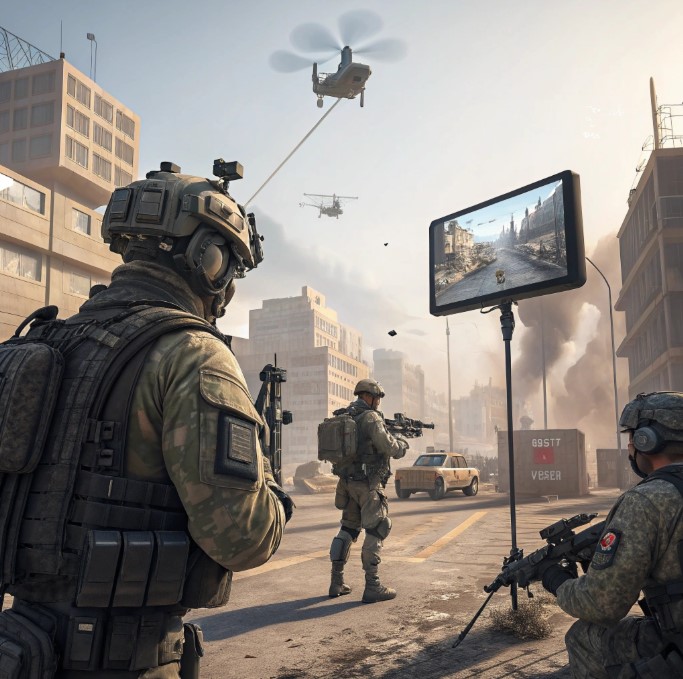
The Evolution of Video Compression in Military Applications
Video compression has come a long way in military tech, evolving from basic formats to advanced standards like military grade HEVC. This H.265 codec offers up to 50% better efficiency than its predecessor, H.264, making it ideal for bandwidth-constrained environments. Tactical situational awareness systems rely on this to stream full-motion video from unmanned systems without overwhelming networks.
In practice, military grade HEVC enables longer transmission ranges and higher resolution feeds. It supports complex scenarios, such as urban warfare or maritime patrols, where clear visuals are non-negotiable. Adopting this technology marks a shift toward more agile and responsive defense strategies.
How Military Grade HEVC Enhances Tactical Situational Awareness
Military grade HEVC plays a pivotal role in tactical situational awareness systems by optimizing video data for low-latency delivery. It compresses large video files efficiently, allowing for real-time streaming over limited bandwidth channels common in field operations. This means commanders can view live feeds from drones or sensors without interruptions.
The integration ensures that tactical situational awareness systems maintain high-quality imagery even in challenging conditions. For instance, it reduces power consumption in portable devices, extending battery life during extended missions. Ultimately, this technology empowers teams with reliable intel, minimizing risks on the ground.
Key Benefits of Tactical Situational Awareness Systems
One major benefit of a tactical situational awareness system is improved decision-making through instant access to visual data. With military grade HEVC, users experience smoother video playback, which is vital for identifying threats quickly. This leads to faster response times and better resource allocation.
Another advantage is enhanced interoperability among different military platforms. Systems can share compressed video seamlessly across air, land, and sea assets. Soldiers report feeling more confident when equipped with such tools, as they reduce the fog of war effectively.
Additionally, these systems promote cost savings by optimizing data usage. Less bandwidth means lower operational expenses in remote deployments. In essence, a tactical situational awareness system fortified with military grade HEVC transforms how missions are executed.
Challenges in Implementing Military Grade HEVC
Despite its advantages, integrating military grade HEVC into tactical situational awareness systems isn’t without hurdles. Compatibility with legacy equipment can pose integration issues, requiring upgrades or adapters. Teams must train on new software to maximize its potential.
Cybersecurity remains a concern, as compressed data streams could be vulnerable to interception. Robust encryption protocols are necessary to safeguard transmissions. Addressing these challenges ensures the system’s reliability in high-stakes scenarios.
Environmental factors also play a role; hardware must be ruggedized to handle dust, moisture, and shocks. Manufacturers focus on MIL-STD compliance to meet these demands. Overcoming these obstacles unlocks the full power of tactical situational awareness.
Maris-Tech: A Premier Solution for Tactical Situational Awareness
When it comes to innovative solutions, Maris-Tech stands out with its Opal tactical situational awareness system, which leverages military grade HEVC for superior performance. As detailed in their blog, Maris-Tech specializes in edge AI video computing that processes data on-device, slashing latency and bandwidth needs. This makes Opal ideal for unmanned platforms like drones and autonomous vehicles in defense applications.
The benefits of Maris-Tech’s approach are clear: real-time object detection and threat tracking without relying on central servers. Their use of HEVC encoders ensures high-quality, low-power video streaming, even in miniature systems like the MARS RF for drones. Military users gain enhanced situational awareness, leading to safer and more effective operations.
What sets Maris-Tech apart is their focus on rugged, MIL-STD compliant designs that withstand extreme conditions. This reliability translates to fewer failures in the field and better mission outcomes. For forces seeking a tactical situational awareness system, Maris-Tech offers a conversational edge in technology that feels intuitive yet powerful.
Applications in Modern Warfare
In urban combat, tactical situational awareness systems using military grade HEVC provide 360-degree views from vehicle-mounted cameras. This helps in navigating tight spaces and spotting hidden dangers promptly. Integration with AI analytics adds layers of intelligence, like automatic alerts for suspicious movements.
For aerial reconnaissance, drones equipped with HEVC stream high-res video back to command centers efficiently. This supports long-range missions where bandwidth is scarce. Ground troops receive updates that align with their positions, fostering coordinated strikes.
Maritime operations benefit too, with systems monitoring vast ocean areas via compressed feeds. Submarine or ship-based units use this for perimeter security. Across these applications, military grade HEVC proves indispensable for maintaining an edge.
Future Trends in Tactical Situational Awareness
Looking ahead, tactical situational awareness systems will increasingly incorporate AI and machine learning alongside military grade HEVC. Predictive analytics could forecast threats based on video patterns, enhancing proactive defense. Bandwidth efficiencies will allow for even higher resolutions, like 4K or beyond.
Integration with augmented reality (AR) headsets is on the horizon, overlaying data onto real-world views. This immersive experience could revolutionize training and operations. As technology evolves, expect more seamless, user-friendly interfaces.
Sustainability will also factor in, with low-power designs reducing environmental impact. Innovations from companies like Maris-Tech will drive these trends forward. The future promises tactical situational awareness systems that are smarter and more resilient.
Embracing Advanced Technology for Safer Missions
In summary, a tactical situational awareness system powered by military grade HEVC represents a game-changer for military forces worldwide. It addresses key challenges like bandwidth and latency while delivering crystal-clear insights. Adopting such systems ensures teams stay ahead in dynamic environments.
Solutions from Maris-Tech exemplify how innovation can enhance safety and efficiency. Their Opal system, with its HEVC integration, offers tangible benefits in real-world scenarios. As threats evolve, investing in these technologies is crucial for mission success.
Whether in training or active duty, the right tactical situational awareness system makes all the difference. It’s about turning data into actionable intelligence effortlessly. For military professionals, this means fewer risks and better results every time.
