
The construction industry is on the cusp of a transformation. 3D printing in construction, once confined to the realm of science fiction, is now making its mark on real-world projects, offering a glimpse into a future where buildings are literally printed on-site. This technology presents exciting possibilities for faster construction times, reduced waste, and even on-demand building customization.
From Pixels to Mortar: How 3D Printing Works in Construction
Construction 3D printing utilizes a similar principle as its smaller desktop counterparts. Here’s a breakdown of the process:
- Digital Model: The project begins with a detailed 3D computer-aided design (CAD) model. This model serves as the blueprint for the printing process.
- Material Selection: The choice of material varies depending on the application. Common options include concrete, a mixture of sand and polymers, or even recycled materials.
- Printing Process: A 3D printer extrudes the chosen material layer by layer, gradually building up the structure based on the digital model. Robotic arms or gantry systems are often used for large-scale projects.
- Finishing Touches: Once the printing is complete, additional work like installing windows, doors, and roofing may be required.
Looking to streamline construction project processes? ConWize construction estimation software is the ultimate tool for building professionals.
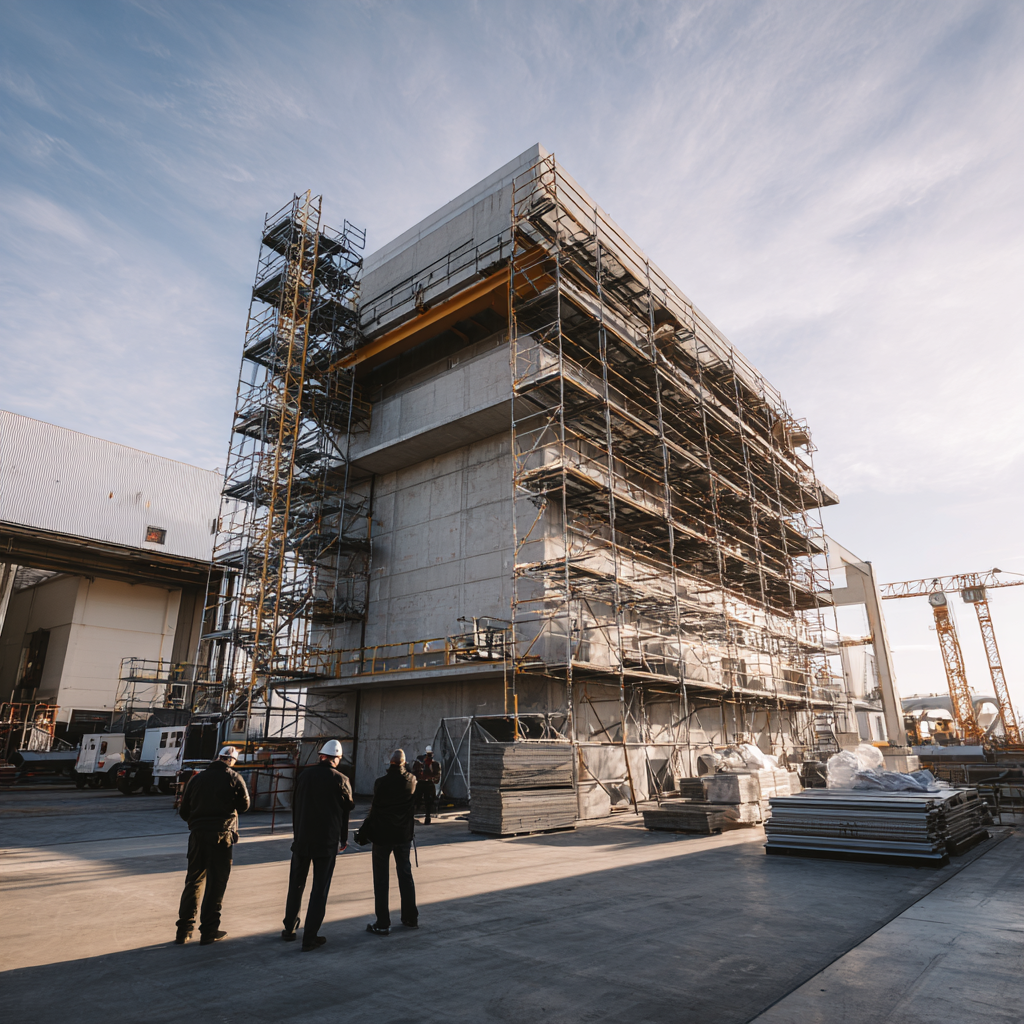
The Advantages of 3D Printing in Construction
3D printing offers several advantages over traditional construction methods:
- Enhanced Design Freedom: The technology allows for complex geometries and intricate designs that would be difficult or impossible to achieve with conventional methods. This opens up new architectural possibilities.
- Reduced Waste: 3D printing utilizes a precise, additive manufacturing approach, minimizing material waste compared to traditional subtractive methods like cutting and drilling.
- Faster Construction Times: 3D printing can significantly reduce construction times, particularly for repetitive elements like walls and foundations. This can lead to faster project completion and earlier occupancy.
- On-Site Printing: 3D printers can be transported to the construction site, allowing for on-demand building of structures in remote locations or disaster zones.
- Labor Savings: While not entirely eliminating the need for human labor, 3D printing can automate some construction tasks, potentially reducing labor costs.
Challenges and Considerations for Widespread Adoption
Despite its potential, 3D printing in construction still faces some challenges:
- Technical Limitations: Current printing technology is limited in terms of build size and material options. Further advancements are needed for large-scale, complex structures.
- Regulatory Hurdles: Building codes and regulations may not yet fully embrace 3D-printed structures. Establishing clear guidelines and testing procedures is necessary.
- Cost Considerations: While long-term savings are possible, the initial investment in 3D printing equipment and materials can be higher compared to traditional methods.
- Skilled Workforce: The construction industry needs to adapt its workforce to integrate these new technologies effectively.
