
Peppers are among the most widely consumed vegetables in the world. Whether enjoyed fresh in salads, roasted for sauces, or dried as spices, peppers captivate millions with their rich flavor, vibrant color, and nutritional versatility. From sweet bell peppers to hot chili varieties, quality matters not only for consumer satisfaction but also for commercial success. Modern agricultural practices have made enormous strides in improving the traits of peppers that matter most: taste, texture, nutritional content, and storage life. At the heart of this progress lies plant breeding, a science that shapes crops for better performance, resilience, and quality.
In particular, the development of high quality pepper varieties has transformed how growers, distributors, and consumers think about this humble vegetable. Through careful selection, cross-breeding, and modern genetic tools, breeding programs now deliver peppers that are tastier, sturdier, and longer-lasting than ever before. This article explores how breeding enhances pepper quality in terms of taste, texture, especially crunchy pepper varieties, as well as shelf life, disease resistance, and nutritional value.
The Importance of Pepper Quality
Peppers are both a culinary staple and a global agricultural commodity. According to the Food and Agriculture Organization (FAO) of the United Nations, peppers rank among the top horticultural crops worldwide, with millions of tons produced each year. Yet not all peppers are created equal. Quality can vary widely based on genetics, growing conditions, and post-harvest care. High quality peppers offer several advantages:
- Superior flavor and aroma
- Firm texture that consumers prefer
- Enhanced nutritional value
- Reduced spoilage and waste
- Greater market value for growers
Breeding plays a pivotal role in determining these traits long before a pepper ever reaches the consumer’s plate.
How Breeding Shapes High Quality Pepper Traits
When farmers and breeders talk about a high quality pepper, they are referring to a combination of desirable characteristics: appealing taste, firmness, attractive color, consistent size, and strong plant performance. Achieving all of these traits in a single cultivar is no small feat.
Traditional vs. Modern Breeding
Traditional breeding involves selecting plants with desirable traits and crossing them to produce offspring that carry those traits. This method, used for thousands of years in agriculture, remains foundational. However, today’s breeders also use advanced technologies like marker-assisted selection, genomic sequencing, and controlled environment screening to make breeding more precise.
According to the American Society for Horticultural Science, modern breeding can accelerate the selection process and more accurately target traits like flavor compounds or disease resistance. This not only improves quality but also enhances overall crop performance.
Improving Flavor Through Genetic Selection
Flavor is perhaps the most subjective attribute of any fruit or vegetable, yet it is arguably the trait consumers notice first. In peppers, flavor is determined by a complex mix of sugars, acids, volatile compounds, and aromatic oils. Breeders analyze the biochemical profiles of different pepper lines to identify individuals with desirable flavor profiles.
The Role of Sugar and Volatile Compounds
Research published in the Journal of Agricultural and Food Chemistry shows that higher sugar content is linked to sweeter flavors in peppers, while specific volatile compounds contribute to aroma and taste nuances. Breeding programs measure these compounds and select parents that naturally exhibit preferred flavor traits.
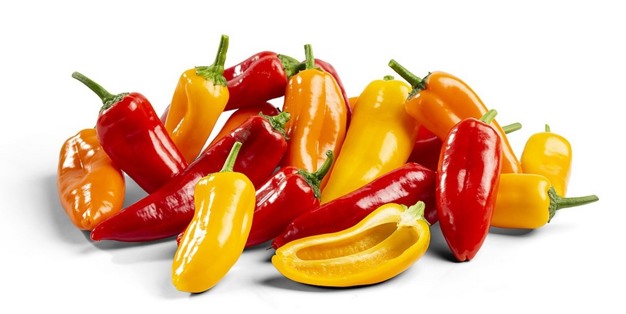
Repeated crossing and selection slowly concentrate these desirable genes in new varieties. The result is a pepper line with richer flavor, balanced sweetness and heat (in spicy varieties), and improved aroma.
Texture Matters: Breeding for Crunch and Firmness
Texture is another critical component of pepper quality. A pepper that tastes great but is mealy or soft quickly disappoints consumers and retailers alike. This is where the concept of crunch becomes essential.
Breeding efforts have produced many crunchy pepper varieties that retain firm cell structure and resist softening both on the plant and after harvest. Firmness is largely determined by cell wall composition and thickness. Breeders assess these physical traits using specialized tools that measure force and resistance in pepper flesh.
Benefits of Crunchy Varieties
- Enhanced eating experience — People enjoy a satisfying crunch in fresh peppers, similar to crisp apples.
- Better cooking performance — Firm peppers hold their shape well in sautés and stir-fries.
- Reduced bruising and damage — Firm textures are less prone to physical injury during handling and transport.
- Appeal to premium markets — Culinary professionals often prefer crisp produce for presentation and texture contrast.
These qualities underscore why texture is a breeding priority alongside flavor.
Disease Resistance and Crop Reliability
One of the earliest goals of plant breeding was to develop disease-resistant varieties. Peppers face numerous threats from pathogens like bacterial spot, mosaic viruses, and fungal diseases such as Phytophthora blight. Without resistance, farmers must rely heavily on chemical controls, which are costly and have environmental impacts.
Breeders continuously test pepper lines in pathogen-rich environments to identify individuals that inherently resist infections. According to research by the University of Florida IFAS Extension, disease resistance is often linked to specific resistance genes that can be tracked and selected using molecular markers. By incorporating these genes into new cultivars, breeding programs reduce disease incidence and minimize crop loss.
Benefits of Disease-Resistant Peppers
- Reduced reliance on pesticides
- Lower production costs
- Increased yields
- More sustainable farming practices
- Improved food safety
Ultimately, disease-resistant varieties help create a stronger, more reliable supply of high quality peppers for both growers and consumers.
Enhancing Shelf Life Through Breeding
Shelf life refers to how long a vegetable maintains its quality after harvest. For peppers, post-harvest deterioration can result from water loss, cell breakdown, and microbial growth. Poor shelf life increases waste, reduces profits for retailers, and frustrates consumers.
Breeding can improve shelf life through both structural and physiological traits:
Thicker Cuticles
The cuticle is the outer layer of the pepper fruit. Peppers with thicker cuticles tend to lose less moisture and are more resistant to pathogen entry. Breeding selects for natural variations in cuticle thickness that help peppers stay fresh longer.
Delayed Ripening
Some breeding programs focus on genes that regulate ripening. Delaying ripening can extend the window between harvest and consumption without compromising taste. This has been likened to the breeding of longer-lasting tomatoes, which transformed that crop’s marketability.
Firm Cell Walls and Water Retention
As discussed earlier, crunchy and firm peppers often also boast longer shelf life. Strong cell walls are less prone to collapse and moisture loss, which slows overall degradation.
According to a review in the Horticultural Science Journal, combining traits like disease resistance, structural firmness, and delayed ripening can significantly increase a pepper’s post-harvest life, sometimes by several weeks compared to unselected varieties.
Nutritional Improvements Through Breeding
While flavor and texture attract consumers, nutritional value drives long-term dietary benefits. Peppers are rich in vitamins A and C, flavonoids, and antioxidants. Some peppers even contain high levels of capsaicin, a compound with potential health benefits, including pain relief and metabolic effects.
Breeding programs aim to increase these nutritional compounds without sacrificing taste or shelf life. For example:
- Enhanced vitamin C — Peppers are already among the richest vegetable sources of vitamin C; selecting lines with even higher levels boosts nutritional appeal.
- Increased carotenoids — These antioxidants contribute to vibrant colors (reds, oranges, yellows) and support eye health.
- Balanced capsaicin levels — In hot peppers, capsaicin intensity is bred to specific markets—milder heat for general consumption, higher heat for culinary specialists.
This focus on health benefits adds another layer to the value of high quality pepper breeding efforts.
Consumer Preferences and Market Trends
Breeding does not operate in isolation from consumer trends. Today’s shoppers are more informed than ever, demanding fresh produce that delivers on flavor, texture, health, and sustainability.
According to consumer research by the USDA Economic Research Service (ERS), factors like freshness, taste, and appearance rank among the top purchase drivers for fresh produce. Meeting these expectations requires varieties that perform well in real-world conditions, from local farmers’ markets to global supply chains.
Specialty and Gourmet Markets
Artisan and specialty markets have further fueled demand for unique pepper varieties with distinctive flavors or shapes. Heirloom lines, mini-sweet peppers, and gourmet chili types have all benefited from breeding programs that balance novelty with quality and reliability.
Environmental Sustainability Through Breeding
Modern breeding also supports sustainability goals. Disease-resistant varieties reduce the need for pesticides. Drought-tolerant peppers conserve water. Plants bred for better nutrient use reduce fertilizer waste.
The International Society for Horticultural Science notes that breeding crops for resilience against climate challenges is critical as global agriculture faces increasing temperature shifts and water scarcity.
By investing in varieties that thrive under variable conditions, breeders help ensure a robust pepper supply while minimizing environmental impact.
Breeding Tools and Technologies
The past decade has seen breeding technologies advance rapidly. Traditional selection methods remain valuable, but new tools enable breeders to work smarter and faster:
Marker-Assisted Selection (MAS)
MAS uses DNA markers linked to desired traits, allowing breeders to screen seedlings at the genetic level rather than waiting for physical traits to appear. This speeds up breeding cycles and increases accuracy.
Genomic Selection
Selection based on whole-genome profiles helps capture complex traits controlled by many genes, such as taste or firmness.
Phenotyping Technologies
Modern phenotyping tools use imaging, spectroscopy, and automated sensors to measure traits like color, texture, and growth patterns more precisely than human observation alone.
These technologies complement each other and amplify breeders’ ability to produce superior varieties.
Challenges and Future Directions
Despite great progress, pepper breeding faces ongoing challenges:
- Balancing multiple traits (e.g., flavor vs. shelf life)
- Adapting to climate change and new disease pressures
- Meeting diverse consumer preferences across regions
- Integrating new genomic tools responsibly
Future breeding efforts will likely incorporate even more precision techniques, including gene editing (where legally permitted), enhanced data analytics, and global collaboration among researchers.
The Transformative Power of Breeding
Breeding remains one of the most powerful tools in horticulture for improving pepper quality, taste, texture, and shelf life. From field performance and disease resistance to consumer satisfaction and sustainability, targeted breeding impacts every stage of the pepper’s life cycle.
By focusing on the key characteristics that matter most, delicious flavor, firm texture, extended freshness, and nutritional value, breeders help ensure that peppers remain a beloved and valuable crop for years to come. Whether you’re a grower, distributor, chef, or consumer, the benefits of modern pepper breeding are tangible and far-reaching.
For more on modern pepper varieties and breeding programs that deliver reliable performance and exceptional quality, explore this collection of high quality pepper resources and see the range of crunchy pepper possibilities currently available.
