
Construction projects are exciting. They begin with bold ideas, detailed plans, and big investments. But before a single shovel hits the ground, there is one crucial step that can determine whether a project succeeds or struggles: cost estimating. Accurate estimating improves construction costs before groundbreaking by identifying risks, controlling budgets, and guiding smarter decisions from day one.
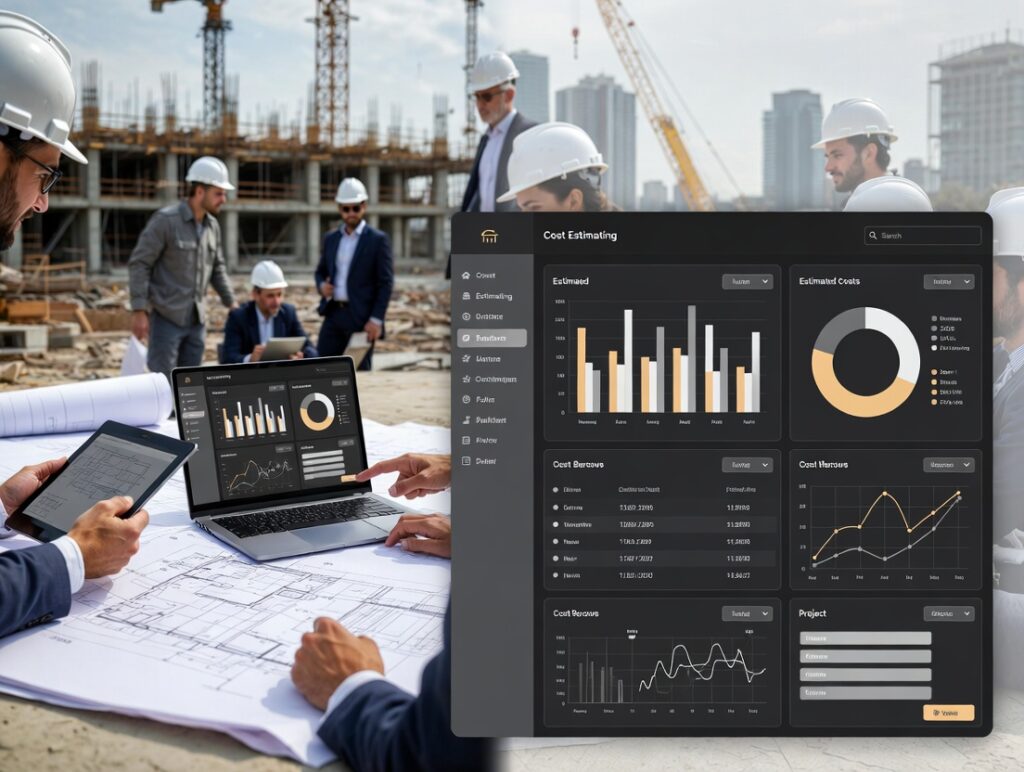
In today’s digital age, tools like construction cost estimating software are transforming how contractors, developers, and project managers forecast expenses. Instead of relying on guesswork or outdated spreadsheets, modern platforms provide data-driven insights that reduce errors and increase financial clarity. When used correctly, these tools help prevent cost overruns and delays long before construction begins.
Let’s explore how estimating strengthens project outcomes, reduces financial surprises, and creates a solid foundation for successful builds.
Understanding the Role of Estimating in Construction
What Is Construction Estimating?
Construction estimating is the process of forecasting the total cost of a building project. This includes:
- Materials
- Labor
- Equipment
- Permits
- Subcontractor fees
- Contingencies
- Overhead and profit margins
Estimators analyze drawings, specifications, and site conditions to determine expected expenses. The goal is simple: predict costs as accurately as possible before construction starts.
Why Estimating Happens Before Groundbreaking
Before groundbreaking, decisions are still flexible. Design adjustments, material substitutions, and scope changes can be made with minimal disruption. Once construction begins, changes become expensive and time-consuming.
Accurate estimating ensures:
- Budget alignment with project goals
- Feasibility validation
- Investor confidence
- Competitive and realistic bidding
Without proper estimating, projects risk running over budget or facing funding gaps halfway through construction.
The Financial Impact of Accurate Estimating
Preventing Cost Overruns
Cost overruns are one of the biggest challenges in construction. According to research from organizations like McKinsey & Company, large construction projects often exceed budgets due to poor planning and inaccurate forecasting.
Accurate estimating helps by:
- Identifying high-cost risk areas
- Allocating realistic contingency funds
- Avoiding underbidding
- Anticipating price fluctuations
When estimators account for potential risks early, projects are less likely to experience unexpected financial strain.
Enhancing Budget Transparency
Detailed estimates break down costs into measurable components. This transparency builds trust among:
- Owners
- Investors
- Lenders
- Project stakeholders
Financial institutions, including global organizations such as the World Bank, emphasize the importance of detailed cost forecasting for infrastructure financing. Clear estimates reduce uncertainty and increase funding approval rates.
How Technology Is Transforming Cost Estimation
From Spreadsheets to Smart Platforms
Traditional estimating methods relied heavily on spreadsheets and manual calculations. While spreadsheets are useful, they often lack automation, integration, and real-time updates.
Modern digital tools now offer:
- Automated quantity takeoffs
- Integrated cost databases
- Real-time collaboration
- Error reduction through standardized workflows
This is where advanced digital solutions shine. By combining historical data with real-time pricing updates, construction teams gain greater control over their budgets.
Integration with Project Planning Systems
Many estimating platforms now integrate with design and management tools like Autodesk and Procore. This integration allows cost data to align directly with:
- Building Information Modeling (BIM)
- Scheduling software
- Procurement systems
The result? Better coordination between financial planning and actual project execution.
The Strategic Advantage of Preconstruction Planning
Estimating is not a standalone activity. It is a central part of the preconstruction phase, where strategy meets budgeting.
Improving Decision-Making Through Data
During preconstruction, teams evaluate:
- Design feasibility
- Material alternatives
- Construction methods
- Timeline impacts
Using reliable preconstruction software, teams can compare scenarios and adjust budgets in real time. This allows decision-makers to choose options that balance cost, quality, and timeline efficiency.
Supporting Value Engineering
Value engineering aims to optimize project performance without increasing costs. Accurate estimates help identify:
- Areas where materials can be substituted
- Processes that can be streamlined
- Components that can be prefabricated
When estimators collaborate with engineers and architects early, the entire project benefits from smarter financial planning.
Risk Management Before Groundbreaking
Identifying Hidden Risks
Construction projects face numerous risks:
- Material price volatility
- Labor shortages
- Weather delays
- Supply chain disruptions
Estimating teams evaluate these variables before construction begins. By incorporating contingencies and alternative sourcing strategies, they reduce the financial impact of unforeseen events.
Scenario Planning and Forecasting
Modern estimating systems allow teams to run multiple financial scenarios. For example:
- What happens if steel prices rise by 10%?
- How would a design modification affect labor hours?
- What if project timelines shift?
Answering these questions before groundbreaking ensures stronger financial preparedness.
Improving Contractor Bidding Accuracy
Competitive Yet Profitable Bids
Accurate estimates enable contractors to submit bids that are:
- Competitive
- Realistic
- Profitable
Underbidding may win a contract but can lead to financial losses later. Overbidding may lose opportunities. Precise estimating strikes the right balance.
Strengthening Client Relationships
When contractors consistently deliver projects within estimated budgets, trust grows. Clients are more likely to:
- Offer repeat business
- Recommend services
- Approve future projects
In this way, accurate estimating improves not only project finances but also long-term reputation.
Enhancing Collaboration Across Teams
Estimating before groundbreaking connects multiple departments:
- Design teams
- Procurement managers
- Financial officers
- Field supervisors
By sharing detailed cost breakdowns early, teams align expectations and reduce miscommunication.
Clear documentation ensures everyone understands:
- Project scope
- Financial limitations
- Resource requirements
This alignment prevents costly disputes once construction begins.
Long-Term Cost Control and Lifecycle Planning
Estimating does not only focus on construction costs. It also supports:
- Maintenance forecasting
- Operational budgeting
- Lifecycle cost analysis
By evaluating long-term expenses before groundbreaking, developers can make sustainable and financially responsible decisions.
For example:
- Energy-efficient materials may cost more initially but reduce operating costs.
- Durable materials can minimize future repairs.
Accurate estimating enables smarter investments that pay off over time.
The Role of Data and Historical Insights
Modern estimating tools rely heavily on historical project data. This includes:
- Past material pricing
- Labor productivity rates
- Equipment usage trends
- Regional cost differences
By analyzing previous projects, estimators improve prediction accuracy.
Data-driven insights help answer questions like:
- How long did similar projects take?
- Which materials caused delays?
- What were the most expensive phases?
Learning from the past ensures better planning for the future.
Sustainability and Environmental Cost Planning
Sustainable construction is no longer optional; it’s expected. Estimating plays a key role in:
- Calculating green material costs
- Assessing renewable energy systems
- Forecasting compliance expenses
Early cost forecasting ensures sustainability goals remain achievable within budget.
Additionally, government incentives and tax credits can be incorporated into estimates, further improving financial feasibility.
FAQs About Estimating and Construction Costs
1. Why is estimating important before groundbreaking?
Estimating ensures that budgets are realistic, risks are identified, and funding is secured before construction begins.
2. How does technology improve cost estimating?
Digital platforms automate calculations, reduce errors, integrate real-time data, and allow collaborative budgeting.
3. Can estimating prevent all cost overruns?
While no system is perfect, accurate estimating significantly reduces the likelihood and severity of cost overruns.
4. What is the difference between estimating and budgeting?
Estimating forecasts expected costs, while budgeting allocates financial resources based on those forecasts.
5. How does preconstruction planning affect project success?
Strong preconstruction planning ensures better coordination, smarter decisions, and financial clarity before work starts.
6. Is cost estimating useful for small projects?
Yes. Even small projects benefit from accurate forecasting, as it prevents financial surprises and supports better resource allocation.
Building Financial Confidence Before Breaking Ground
Construction is complex, but financial uncertainty doesn’t have to be. Accurate estimating improves construction costs before groundbreaking by providing clarity, reducing risk, and guiding smarter decisions.
Through advanced digital tools, integrated planning systems, and data-driven forecasting, modern estimators transform uncertainty into confidence. By leveraging technologies like construction cost estimating software and preconstruction software, teams can ensure projects begin on solid financial ground.
In the end, the foundation of every successful building is not just concrete and steel, it’s careful planning, informed budgeting, and precise estimating.
